A new line of boron nitride ceramic crucibles with custom shapes is now available for specialized molecular beam epitaxy (MBE) source cells. These crucibles are made from high-purity boron nitride, a material known for its thermal stability and chemical inertness. The design allows them to fit precisely into unique MBE setups where standard parts fall short.

(Boron Nitride Ceramic Crucibles with Custom Shapes for Specialized Molecular Beam Epitaxy Source Cells)
Manufacturers often face challenges when using off-the-shelf components in advanced research or production systems. Standard crucibles may not align properly with heating elements or may react with sensitive materials. This new offering solves those problems by providing tailor-made shapes that match exact equipment requirements.
The crucibles handle extreme temperatures without deforming. They also resist reactions with many molten metals and semiconductors. This makes them ideal for growing high-quality thin films used in electronics and photonics. Researchers can now load materials more efficiently and maintain cleaner vapor streams during deposition.
Each crucible is machined to tight tolerances based on customer specifications. This ensures consistent performance across multiple runs. The process starts with a detailed drawing or sample from the client. Engineers then produce a prototype for approval before full production begins.
Demand for precision in MBE systems continues to grow as device structures become more complex. These custom boron nitride crucibles support that trend by giving labs and fabs greater control over their evaporation sources. Users report fewer interruptions due to part failure and better reproducibility in their results.
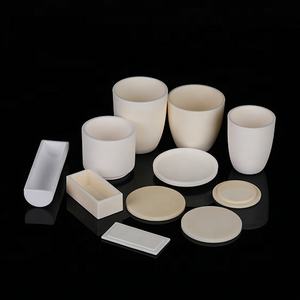
(Boron Nitride Ceramic Crucibles with Custom Shapes for Specialized Molecular Beam Epitaxy Source Cells)
The product is available now through select suppliers specializing in advanced ceramic components for scientific instrumentation. Lead times vary depending on complexity but typically range from two to four weeks. Companies developing next-generation semiconductor devices are already adopting this solution to improve their MBE processes.