A major breakthrough in gas turbine technology has emerged with the development of advanced ceramic coatings for turbine blades. These new coatings significantly boost resistance to oxidation and corrosion, two key challenges in high-temperature engine environments.
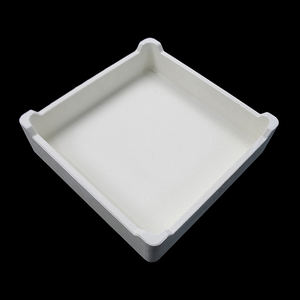
(Advanced Ceramic Coatings for Gas Turbine Blades Improve Oxidation and Corrosion Resistance)
Gas turbines operate under extreme heat and stress. Over time, this causes metal blades to degrade. Traditional protective layers often fail under such harsh conditions. The new ceramic coatings offer a more durable solution. They form a stable barrier that shields the underlying metal from hot gases and corrosive elements.
Researchers tested the coatings in simulated turbine conditions. Results showed a marked improvement in blade lifespan. The coated blades maintained structural integrity far longer than uncoated ones. This performance gain could reduce maintenance costs and increase operational efficiency for power plants and aviation systems.
The coating process uses proven manufacturing methods. This makes integration into existing production lines straightforward. Companies can adopt the technology without major overhauls. Early industry feedback has been positive. Several turbine manufacturers are already evaluating the coatings for real-world use.
This innovation addresses a long-standing problem in turbine engineering. Oxidation and corrosion have limited performance and reliability for decades. With these ceramic coatings, engineers now have a practical tool to extend component life. That means fewer replacements and less downtime.
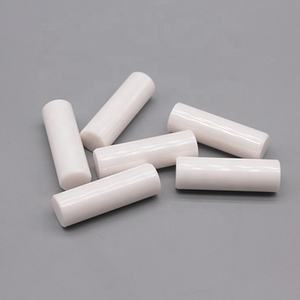
(Advanced Ceramic Coatings for Gas Turbine Blades Improve Oxidation and Corrosion Resistance)
The development team includes materials scientists and mechanical engineers from leading research institutions. Their work focused on balancing thermal stability with mechanical toughness. The final coating meets both needs without compromising either. Field trials are expected to begin within the year.